The modern digital landscape is often defined by those who shout the loudest, yet a silent revolution is taking place. While we are conditioned to believe that social media is a stage for constant performance, a vast majority of users are choosing a different path. These individuals are not disengaged; rather, they are making a conscious psychological choice to separate information gathering from the exhaustion of public display. By opting out of the daily pressure to post, they retain their mental energy while still staying informed about the world around them.
Table of Contents
The Hidden Power of the Silent Majority Online
Contrary to popular belief, the most active voices on social media represent only a tiny fraction of the total user base. Most people have transitioned into a role that researchers often label as lurking, though this term fails to capture the deliberate nature of the behavior.
- Nearly 90 percent of users consume content without ever liking or commenting.
- Observation allows for information processing without the bias of social validation.
- Staying silent prevents the cognitive drain associated with managing a public persona.
- Users can curate their feeds for education rather than entertainment or ego.
This silent majority proves that you do not need to contribute to the noise to be a part of the global conversation. They are the ultimate observers, absorbing data without the need to perform for an invisible audience.
Comparing the Mental Cost of Posting Versus Observing
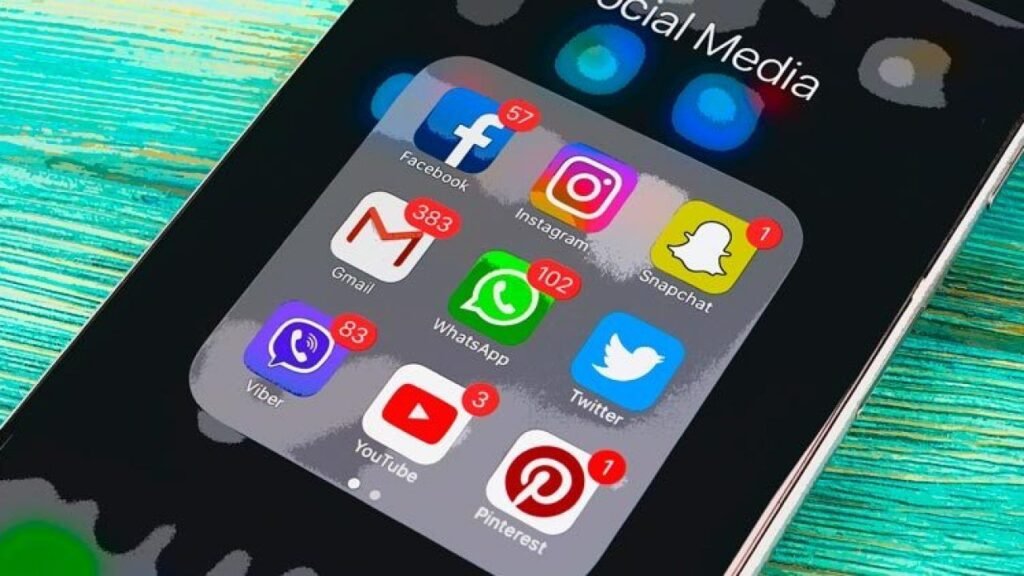
Understanding the impact of social media behavior requires a look at the numbers. The psychological tax of maintaining an online identity is real, and the following table illustrates the difference in engagement styles.
| Activity Category | Active Posting Style | Passive Observation Style |
| Daily Time Spent on Curation | 45 to 90 minutes | 0 minutes |
| Level of Social Anxiety | High (due to feedback loops) | Low (no feedback expected) |
| Primary Goal | Impression Management | Information Acquisition |
| Emotional Recovery Time | Required after negative comments | Not applicable |
| Privacy Protection | Low (publicly shared data) | High (restricted footprint) |
This comparison shows that the choice to remain a spectator is often a calculated move to preserve personal well-being and time.
Breaking the Stigma of Passive Social Media Use
For years, passive browsing was criticized as a source of envy or unhappiness. However, new psychological insights suggest that the intent behind the browsing is what matters most. If a person uses these platforms as a digital library rather than a comparison tool, the negative effects vanish. Choosing not to post is a form of self-preservation that allows individuals to enjoy the benefits of connectivity without the toxicity of the spotlight. It turns a chaotic town square into a quiet, personalized study room.
Reclaiming Your Identity Outside the Digital Spotlight
When you stop posting, your identity is no longer tied to the number of likes or shares you receive. This shift allows for a more authentic self-perception that exists independently of digital metrics. Many people find that their real-world relationships improve when they stop viewing every life event as a potential content opportunity. By living in the moment rather than filming it, they experience a deeper level of presence and satisfaction. Silence on social media does not mean you have nothing to say; it often means you are choosing to say it to the people who matter most in person.
The Strategic Advantage of Intentional Non Participation
In an era where data is the new currency, staying quiet is a strategic advantage. By not posting, you limit the amount of personal information available to algorithms and third parties. Furthermore, you avoid the trap of trend-chasing, which often leads to burnout. The most grounded individuals are those who can navigate the digital world without being consumed by it. They treat social media as a utility like electricity or water using it when necessary but never letting it define their existence or dictate their worth.